Plant of The Moment: Hamamelis × intermedia

Tags:

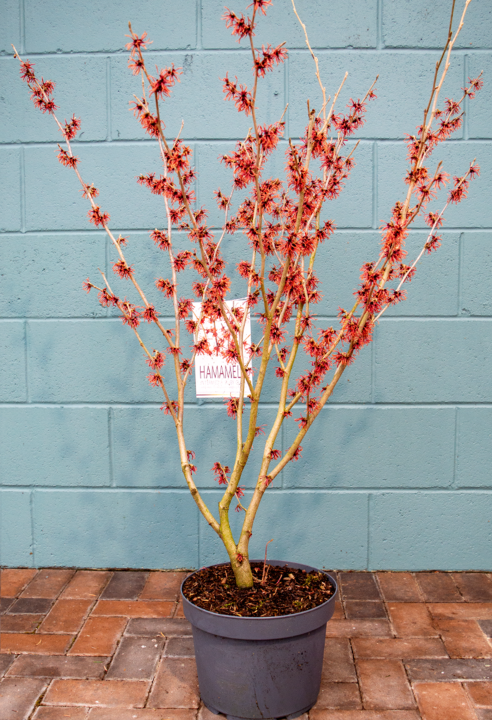
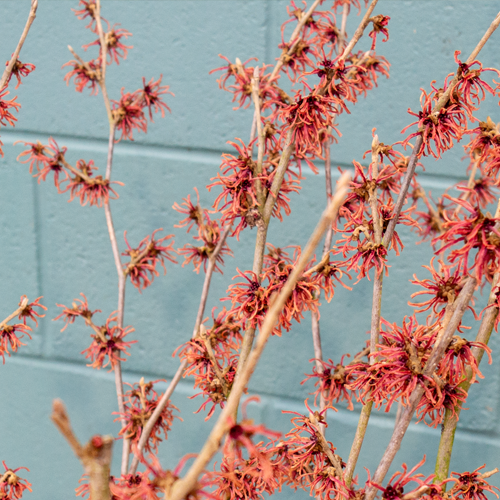
If New Year's fireworks were a plant, it would be Hamamelis! Commonly known as witch hazel, it features beautiful flowers resembling little fireworks, dazzling in reds, oranges and yellows to give your garden a bit of colour through the winter.


Hamamelis × intermedia

Common Name: Witch hazel. Large deciduous shrub growing up to 4m. Yellow, orange or red firework-like flowers appear in winter, often with a sweet scent. Fantastic autumn colour too. Likes a spot in full or partial shade, in a moist but well-drained soil.

About

  • Large, non-evergreen shrub
  • Fragrant flowers on bare stems
  • Flowers yellow, orange or red
  • Excellent for winter


Growing Conditions

  • Sun or partial shade
  • Any aspect, exposed or sheltered
  • Well-drained soil
  • Acid to neutral soil


You might also be interested in:

Pancake Recipe

With Pancake Day arriving this Tuesday, the 17th of February, there’s no better excuse to pop the kettle on and enjoy a plate of freshly made pancakes. Whether you prefer the classic thin, crêpe-style pancake enjoyed across Britain, or a slightly thicker Scotch pancake, this simple recipe is a family favourite — especially when topped with something delicious from our food halls shelves.

Read more...
Hooray for Helleborus

Elegant, low-growing evergreen perennial with leathery, deeply divided dark leaves. Saucer-shaped flowers, in shades of white, pink, purple, red, and yellow. Stunning during late winter/spring

Read more...
Happy New Houseplants

January can seem a bit bleak with the decorations and lights down after Christmas, and the house can feel empty. What's the solution to lift your spirits and brighten up your home? HOUSEPLANTS! Adding that simple touch of green really helps to make a home look cosy and adds freshness to the room. There's a houseplant for everyone and almost any situation, whether you're a novice or a houseplant pro! Want something high-impact? Why not choose a larger plant as a focal point in your room. Or maybe you prefer something small you can watch grow on - this is also a good way of getting kids interested in plants.

Read more...
Cullen Skink Recipe

The soup originates from the town of Cullen in Moray, on the Scottish northeastern coast. Traditionally, the word "Skink" is used to describe a broth made with beef scrapings. In the 1890s, these scraps of beef became hard to come by. However, at this time, Cullen’s harbour was a thriving fishing port. So the people of the town decided to use smoked haddock in their soup. From this, the Cullen Skink we all love today was created.

Read more...